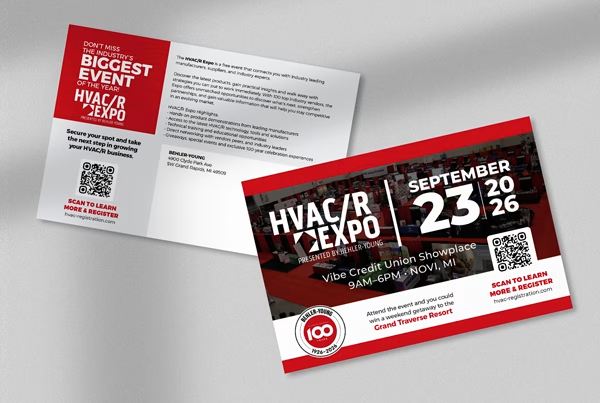
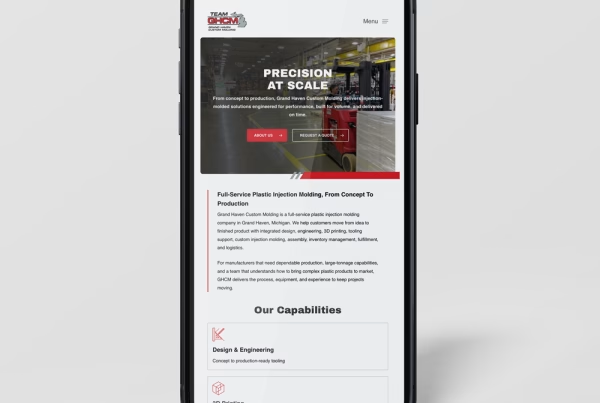
They experience your brand through your website, social media, advertising, sales materials, signage, trade show displays, presentations, emails and dozens of other touchpoints. Every interaction contributes to how professional, credible and trustworthy your organization feels. And in the age of AI, that trust—and the brand consistency that helps build it—matters more than ever.
Today, AI and easy-to-use design tools make it possible to create marketing materials faster than ever. A social graphic, presentation, sales sheet or a few paragraphs of copy can be generated in minutes. That convenience can be incredibly useful, but speed should never come at the expense of your brand. Just because something can be created quickly doesn’t mean it looks, sounds or feels like your company.
As more people within an organization gain access to AI and self-service creative tools, protecting brand consistency becomes even more important.
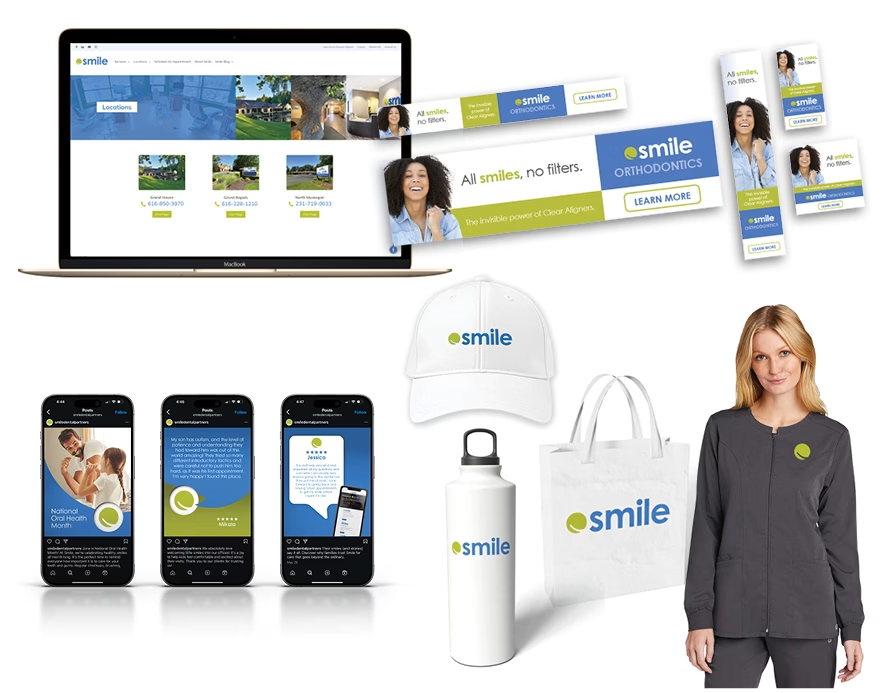
Your brand is more than your logo.
A strong brand is a complete visual and verbal system. It includes your logo, colors, typography, imagery, graphic elements, messaging and brand voice—and clear standards for how all of those elements work together.
Customers experience that brand across virtually everything your organization produces:
- Website and digital advertising
- Social media and email marketing
- Business cards, stationery and printed materials
- Brochures, sales sheets and presentations
- Signage and environmental graphics
- Trade show displays, corporate apparel and promotional items
- Proposals and corporate communications
Those pieces should look and feel like they came from the same organization, even when they were created by different people or at different times. Repetition builds recognition, and recognition helps build trust. When customers repeatedly encounter the same visual elements, messaging and tone, they begin to associate them with your organization. That familiarity reinforces professionalism, credibility and confidence.
Inconsistency can have the opposite effect. A polished, professional website paired with an off-brand presentation, poorly designed brochure or inconsistent signage creates a disconnect. Customers may not consciously identify what feels wrong, but those inconsistencies can make a company appear less established, organized or attentive to detail.
When everyone can create, consistency gets harder.
AI isn’t inherently bad for your brand. In fact, we use AI tools for some activities at Acorn Marketing and see tremendous potential for helping marketing teams work more efficiently. The challenge is knowing where efficiency adds value and where professional judgment matters more.
AI and other self-service tools can be useful for:
- Brainstorming and exploring ideas
- Developing rough first drafts
- Adapting or repurposing existing content
- Streamlining repetitive production tasks
- Creating internal or short-lived, limited-use materials
But the more visible, strategic or long-lasting an asset is, the more important it becomes to have experienced designers, developers, writers and marketers involved. Your website, brand identity, primary sales materials, corporate presentations, signage, trade show graphics, brochures and campaign creative aren’t simply things that need to “look good.” They are investments in how your company is perceived.
Imagine one employee uses an AI design tool to create a sales flyer. Another builds a website graphic. Someone else generates content for an email campaign, while a salesperson creates a presentation using a new template. Each piece may look perfectly acceptable on its own. But put them all on a table together: Do they look like the same company?
Small variations in fonts, colors, imagery, logo usage, graphic style or tone may seem insignificant. Repeated across dozens—or hundreds—of customer touchpoints, they can gradually turn a recognizable brand into a collection of disconnected materials.
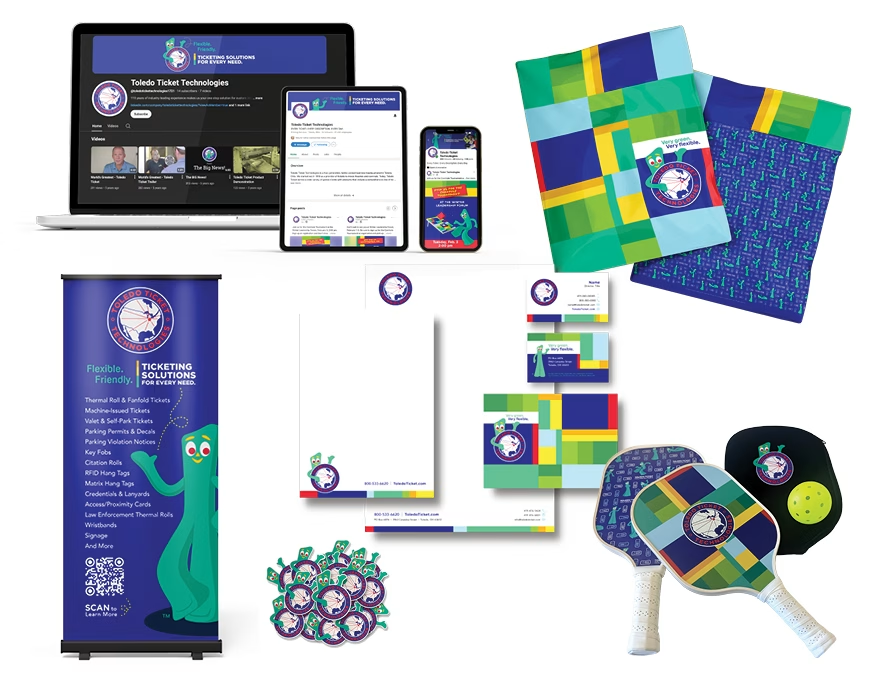
A quickly generated piece that doesn’t follow brand standards may eventually need to be redesigned, rewritten or replaced. Incorrect logo treatments can make their way onto permanent signage, off-brand colors into trade show graphics, inconsistent templates or poorly positioned content onto a website.
What initially appeared to save time or money can create additional costs later. More importantly, it can gradually erode the consistency that helps customers recognize and trust your brand. If you’ve invested significantly in developing a professional brand, website and marketing program, saving a relatively small amount on an important customer-facing asset can undermine the much larger investment you’ve already made.
Brand guidelines—and brand stewardship—matter more than ever.
Strong brand standards create the framework that keeps an organization consistent. At a minimum, they should establish clear direction for:
- Logo usage and placement
- Brand colors and typography
- Photography, imagery and graphic elements
- Messaging and key brand language
- Voice and tone
These standards help employees, outside partners and even AI tools work from the same foundation. When AI is used, strong guidelines provide valuable guardrails—but they don’t replace the judgment needed to determine whether the final result is actually right for your brand.
That’s where professional brand stewardship matters. Designers understand much more than how to make something attractive; they understand typography, hierarchy, composition, accessibility and how a visual identity needs to work everywhere from a mobile screen to a building sign. Web developers understand how brand, usability, functionality and conversion need to work together. Experienced marketers and writers understand the difference between copy that sounds polished and communication that actually reflects your brand positioning, speaks to your audience and reinforces what makes your organization different.
AI can help all of these professionals work faster and more efficiently. But, it can’t replace the strategy, creativity and human judgment behind their work.
Great brands aren’t built from one logo, one campaign or one website. They’re built through hundreds of consistent experiences over time. Every touchpoint is another opportunity to reinforce who you are, what you stand for and what customers can expect from your organization.
Use AI where it makes sense. Take advantage of the efficiencies new tools provide. But for the materials and experiences that are highly visible, strategic or built to last, professional strategy, design, development and content creation help ensure you’re not simply producing more—you’re building a stronger, more recognizable and more trusted brand.
At Acorn Marketing, we help organizations develop, strengthen and manage brands that work consistently across every customer touchpoint—from brand strategy and identity to websites, digital marketing, print, signage, trade shows and corporate communications.
Is your brand staying consistent as the way your team creates content evolves? Let’s make sure every touchpoint is building recognition and trust—not slowly eroding it.